
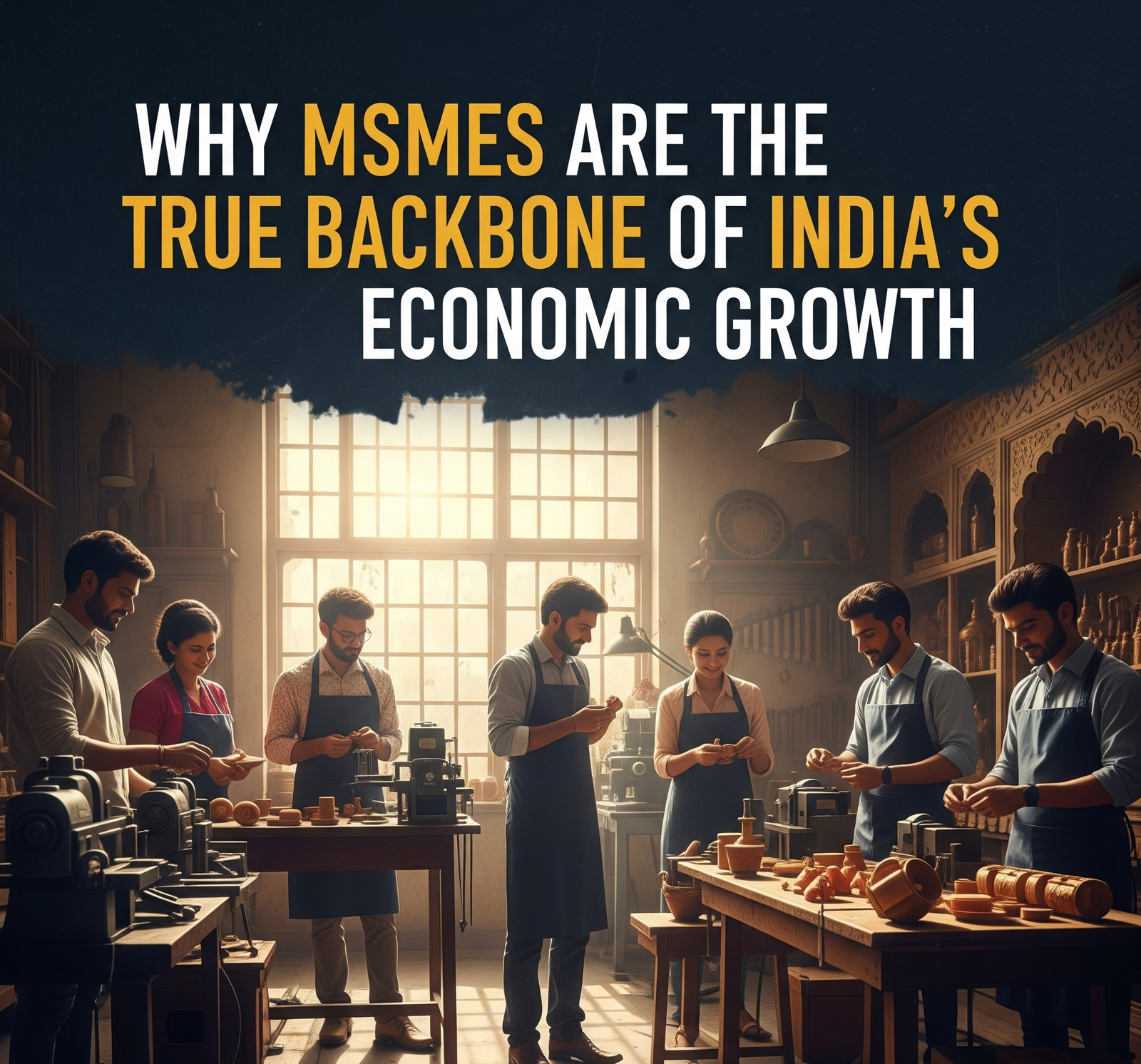
The Unsung Heroes: Why MSMEs are the True Backbone of India’s Economic Might
As a content writer with over a decade of experience observing and analyzing economic landscapes, few sectors captivate me quite like the Micro, Small, and Medium Enterprises (MSMEs) in India. Often overshadowed by the glamour of large corporations and booming tech giants, these enterprises are the quiet, unassuming powerhouses, the very capillaries that carry the lifeblood of our nation’s economy. They are not just businesses; they are dreams taking root, families finding livelihoods, and communities thriving.
From the bustling workshops in Ahmedabad, where I write this, to the vibrant artisanal clusters of rural India, the presence of MSMEs is palpable. They are everywhere, in every nook and cranny, creating, innovating, and providing. This isn’t just about statistics; it’s about the countless stories of resilience, ingenuity, and sheer hard work that define this sector. And it’s precisely this human element that makes the importance of MSME in India so incredibly compelling.
The Undeniable Economic Engine: More Than Just Numbers
Let’s cut to the chase: the contribution of MSMEs to India’s economy is staggering. While the exact figures might fluctuate slightly year on year, the narrative remains consistent. These enterprises contribute approximately 30% to India’s Gross Domestic Product (GDP). Think about that for a moment – nearly a third of our national output comes from businesses that, individually, might seem small, but collectively, wield immense power. They are the cumulative force that drives our economic momentum.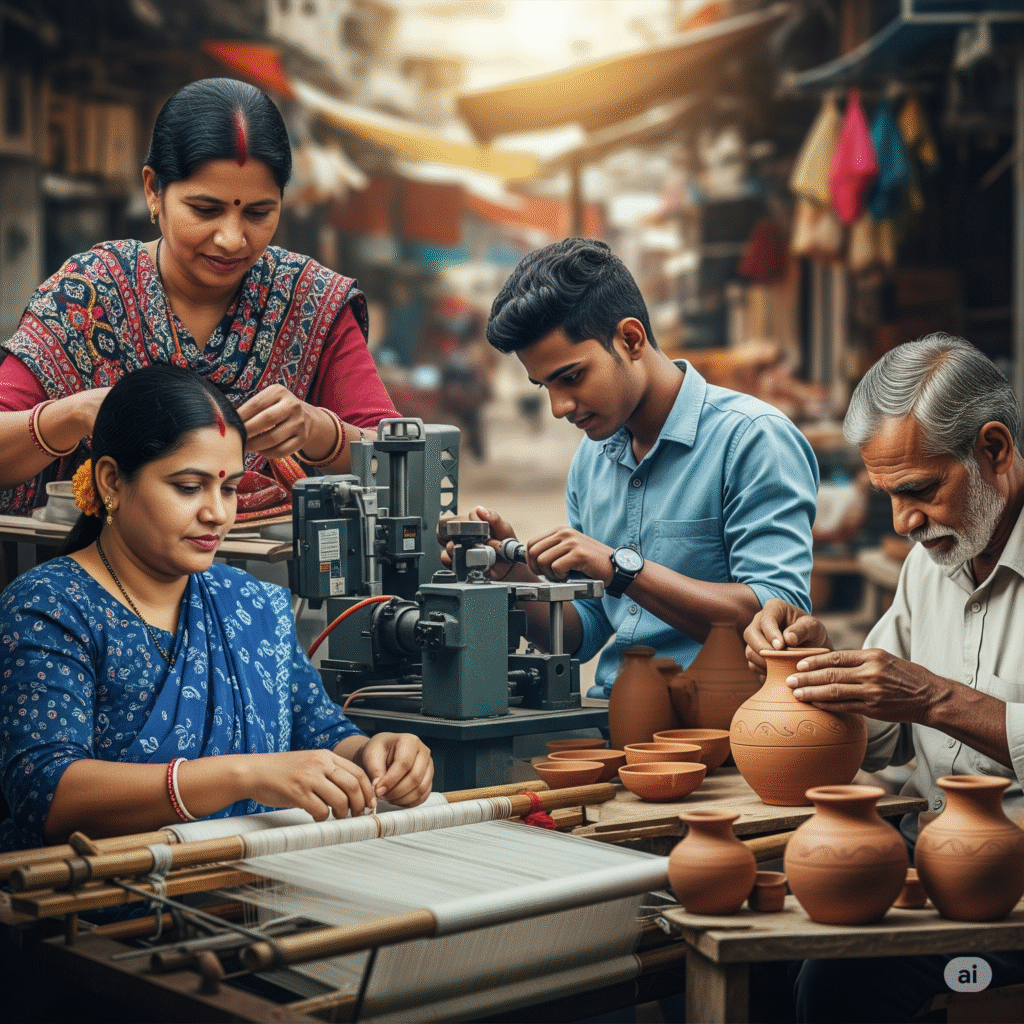
Beyond GDP, their impact on employment generation is perhaps their most celebrated role. India is a young country, with a massive workforce seeking opportunities. MSMEs step into this void, employing over 15 crore people across diverse sectors. This isn’t just about urban centers; MSMEs are instrumental in providing livelihoods in semi-urban and rural areas, curbing distress migration to cities, and fostering balanced regional development. I’ve personally seen how a small weaving unit in a remote village can transform the economic fortunes of an entire community, providing stable incomes and empowering local artisans. This is the real, tangible impact of MSMEs.
Furthermore, their role in exports is often underestimated. While large corporations dominate headlines, MSMEs contribute close to 50% of India’s total exports. From handicrafts to intricate engineering components, from textiles to processed food, Indian MSMEs are making their mark on the global stage. They represent the diversity and entrepreneurial spirit of India to the world.
Fostering the Spirit of Entrepreneurship and Innovation
One of the most inspiring aspects of the MSME sector, from my vantage point, is its role in nurturing entrepreneurship. It’s the fertile ground where new ideas are tested, businesses are born, and individuals dare to dream big. The relatively lower capital requirement to start an MSME makes it accessible for aspiring entrepreneurs who may not have access to massive funding. This democratizes business ownership and fosters a culture of self-reliance, aligning perfectly with the vision of Atmanirbhar Bharat (Self-reliant India).
And with entrepreneurship comes innovation. While large companies have dedicated R&D departments, MSMEs often exhibit a remarkable agility and adaptability. They are quicker to respond to market changes, experiment with new processes, and adopt innovative solutions. Many start-ups, which later scale into larger enterprises, begin their journey as MSMEs. They are the incubators of future economic growth, constantly pushing the boundaries and finding niche markets. This flexibility, the ability to pivot and adapt, is a significant competitive advantage in today’s dynamic global market.
Inclusive Growth: Reaching the Unreached
The importance of MSMEs extends far beyond purely economic metrics. They are crucial for inclusive development. By creating employment opportunities for a wide range of skill sets, including semi-skilled and unskilled labor, they help in reducing income disparities and improving living standards for a larger segment of the population. They empower marginalized communities, women entrepreneurs, and those in remote areas who might otherwise be excluded from the formal economy.
I’ve always believed that true economic progress isn’t just about how high the GDP graph goes, but how widely its benefits are distributed. MSMEs, by their very nature, facilitate this distribution, creating a more equitable society. They are the local bakeries, the neighborhood repair shops, the small manufacturing units that serve the immediate community, creating a vibrant local ecosystem.
Navigating the Challenges: Acknowledging the Hurdles
While the story of MSMEs is largely one of success and immense contribution, it would be disingenuous to overlook the challenges they face. From my years of writing about various industries, I understand that no journey is without its bumps.
One of the most persistent hurdles for MSMEs is access to finance. Despite various government initiatives, many small businesses still struggle to secure timely and affordable credit from formal banking channels. This often pushes them towards informal lenders, hindering their growth potential. The perceived risk by financial institutions, coupled with a lack of collateral, can be a significant deterrent.
Another critical challenge is technological adoption. While some MSMEs are embracing digital tools, a significant portion still operates with outdated technology and processes. This impacts their productivity, competitiveness, and ability to scale. The awareness and accessibility of modern machinery, digital marketing tools, and efficient operational software remain areas that require concerted efforts.
Furthermore, regulatory compliance can be a complex labyrinth for small businesses. Navigating various tax laws, labor regulations, and environmental norms can be time-consuming and costly, diverting resources that could otherwise be used for growth and innovation. The “missing middle” phenomenon, where micro and small enterprises struggle to transition into medium-sized ones due to increased regulatory burdens, is a real concern that needs to be addressed.
Government Initiatives: Paving the Way Forward
Recognizing the indispensable role of MSMEs, the Indian government has launched numerous initiatives to support their growth and development. Schemes like the Credit Guarantee Fund Trust for Micro & Small Enterprises (CGTMSE) provide collateral-free loans, easing the financial burden. The Prime Minister’s Employment Generation Programme (PMEGP) encourages self-employment by offering financial assistance for setting up new ventures.
The Udyam Registration portal has significantly simplified the registration process, making it easier for businesses to formally identify as MSMEs and avail associated benefits. Schemes focused on technology upgradation, skill development, and market access, such as the Micro & Small Enterprises Cluster Development Programme (MSE-CDP), are vital in helping MSMEs enhance their competitiveness. My hope is that these initiatives continue to be strengthened, simplified, and made even more accessible to the grassroots level.
The Road Ahead: A Call for Sustained Focus
Looking ahead, the importance of MSMEs will only grow as India strives towards becoming a $5 trillion economy. Their ability to innovate, generate employment, and drive inclusive growth will be paramount. As a writer, I firmly believe that the narrative around MSMEs needs to shift from mere statistics to stories of empowerment and potential.
We need to emphasize:
- Financial Literacy and Access: Beyond just loans, providing financial guidance and facilitating easier access to working capital and growth funding is crucial.
- Digital Transformation: Encouraging and supporting MSMEs in adopting digital tools for operations, marketing, and sales will unlock immense potential. The growth of e-commerce platforms presents a huge opportunity for these businesses to reach wider markets.
- Skill Development and Training: Bridging the skill gap through targeted training programs will enhance productivity and innovation.
- Simplification of Regulations: Continuous efforts to streamline compliance and reduce bureaucratic hurdles will empower MSMEs to focus on their core business.
- Promoting Local and Global Linkages: Encouraging collaboration between MSMEs and larger industries, both domestically and internationally, can open new avenues for growth and market expansion.
In conclusion, the Micro, Small, and Medium Enterprises are not just a segment of the Indian economy; they are its very heartbeat. They represent the dreams of millions, the resilience of communities, and the boundless potential of a nation on the rise. As a content writer, it’s not just a topic for me, it’s a testament to the power of human endeavor, and a sector that deserves our unwavering attention and support. Their success is, without a doubt, India’s success.


No comment