
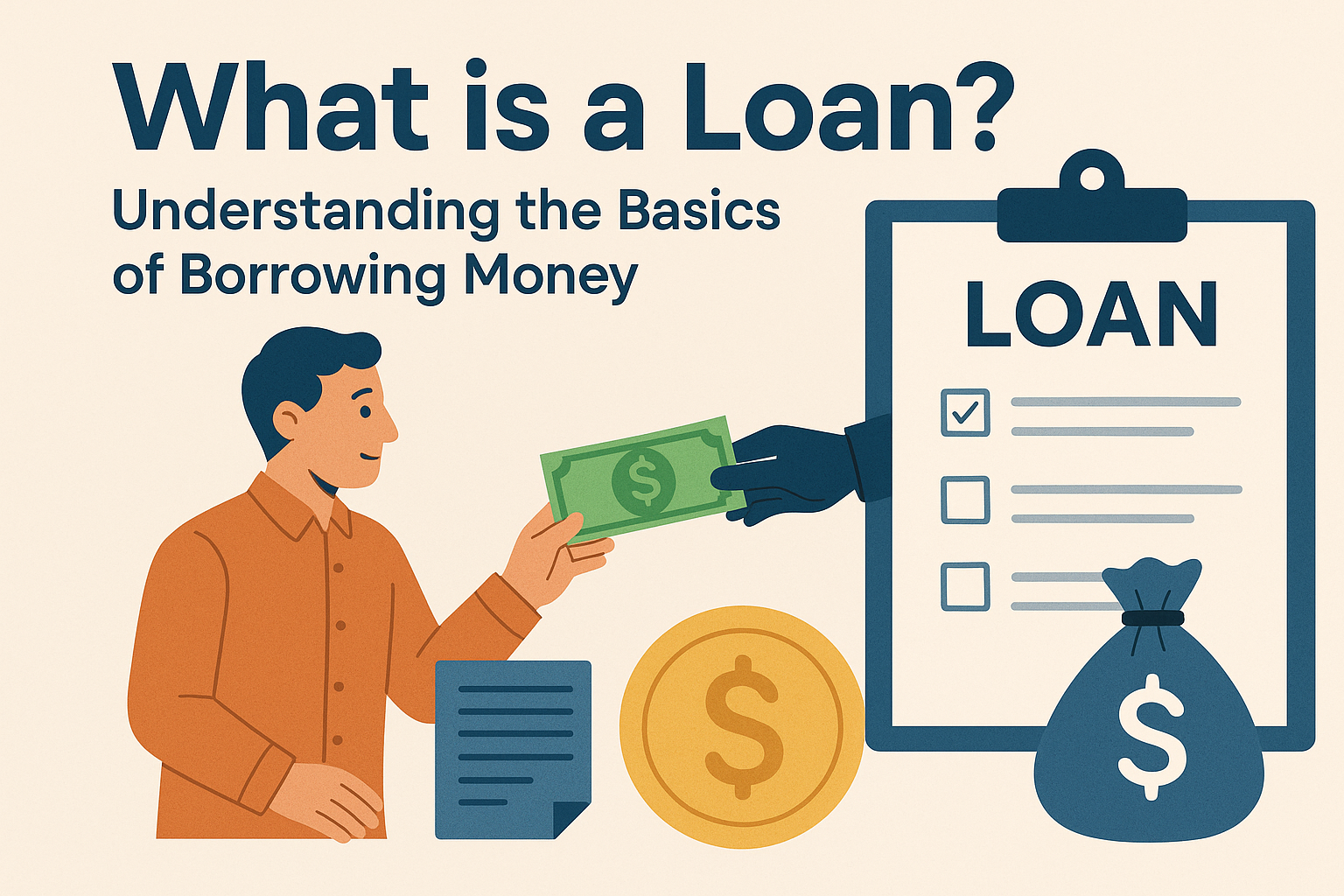
What is a Loan? Understanding the Basics of Borrowing Money
A loan is essentially an act of lending money to another party in exchange for repayment of the loan principal amount plus interest. It’s a debt incurred by the borrower, and the lender is the individual, group, or financial institution that provides the money.
Here’s a breakdown of the key components of a loan:
- Principal: This is the original amount of money borrowed.
- Interest: This is the cost of borrowing the money, typically expressed as a percentage of the principal. It’s the profit the lender makes for providing the loan.
- Repayment Period (Term): This is the agreed-upon timeframe over which the borrower will repay the loan. It can range from a few months to several decades.
- Instalments (Payments): Loans are typically repaid in regular, scheduled payments that include both principal and interest.
- Lender: The individual or entity providing the money (e.g., a bank, credit union, individual, or even an online lending platform).
- Borrower: The individual or entity receiving the money.
Why do people take out loans?
People take out loans for a wide variety of reasons, including:
- Large purchases: Homes (mortgages), cars (auto loans), higher education (student loans).
- Business expansion: Starting a new business or growing an existing one.
- Consolidating debt: Combining multiple smaller debts into one larger loan with a potentially lower interest rate.
- Unexpected expenses: Covering medical bills, home repairs, or other unforeseen costs.
- Personal needs: Vacations, weddings, or other personal expenditures (personal loans).
Types of Loans:
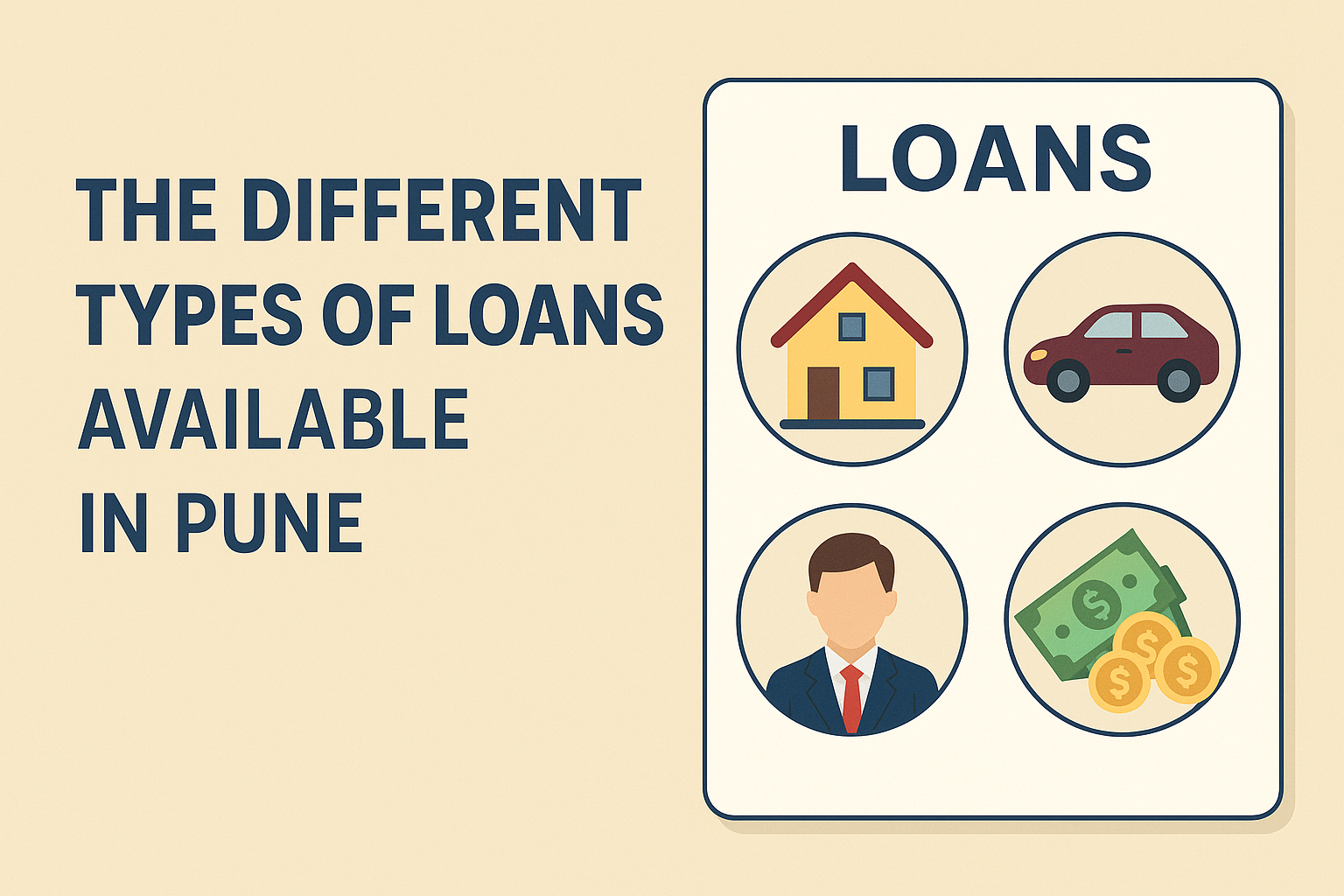
There are many different types of loans, each designed for specific purposes:
- Secured Loans: These loans are backed by an asset (collateral) that the lender can seize if the borrower defaults. Examples include mortgages (house as collateral) and auto loans (car as collateral). Secured loans typically have lower interest rates because they pose less risk to the lender.
- Unsecured Loans: These loans are not back by collateral. They are grant based on the borrower’s creditworthiness and ability to repay. Examples include personal loans, credit cards, and student loans. Unsecured loans generally have higher interest rates due to the increased risk for the lender.
- Revolving Loans: These loans allow borrowers to repeatedly borrow and repay up to a certain credit limit. Credit cards are the most common example.
- Instalment Loans: These loans have a fixed repayment schedule with regular, equal payments over a set period. Mortgages, auto loans, and personal loans are often instalment loans.
How does a loan work?
- Application: The borrower applies for a loan, providing information about their financial situation, income, and credit history.
- Approval/Denial: The lender assesses the borrower’s creditworthiness and decides whether to approve or deny the loan.
- Disbursement: If approved, the lender provides the principal amount to the borrower.
- Repayment: The borrower makes regular payments according to the agreed-upon schedule until the principal and interest are fully repaid.
In essence, a loan is a financial agreement that allows individuals or entities to access funds they don’t currently have, with the promise of repaying those funds with an added cost (interest) over time.

No comment